

the climate commissions
audience resource guide
The Climate Commissions is a national and international commission by Why Not Theatre exclusively for ThisGen Fellowship 2025-2026.
ThisGen Fellowship, produced by Why Not Theatre in partnership with the National Arts Centre’s National Creation Fund, is a prestigious, hands-on theatre training program that supports the growth of Black, Indigenous, Global Majority women and non-binary artists across the country whose bold cultural leadership is shaping the future of Canadian theatre.
land acknowledgement
“Why Not Theatre activities take place in Tkaronto, the land of the Wendat, the Haudenosaunee, and the Anishinabek First Nations, including the Mississaugas of the Credit. This territory is covered by the Dish with One Spoon Wampum Belt Covenant, an agreement between the Haudenosaunee (Six Nations) Confederacy and the Anishnaabe (Ojibwe) and allied nations to peaceably share and care for the lands and the relationships around the Great Lakes.
We acknowledge all of the storytellers, knowledge keepers and caretakers who have stewarded this land from time immemorial and will continue to do so far into the future.”
matriate
by tara beagan
dramaturg’s note
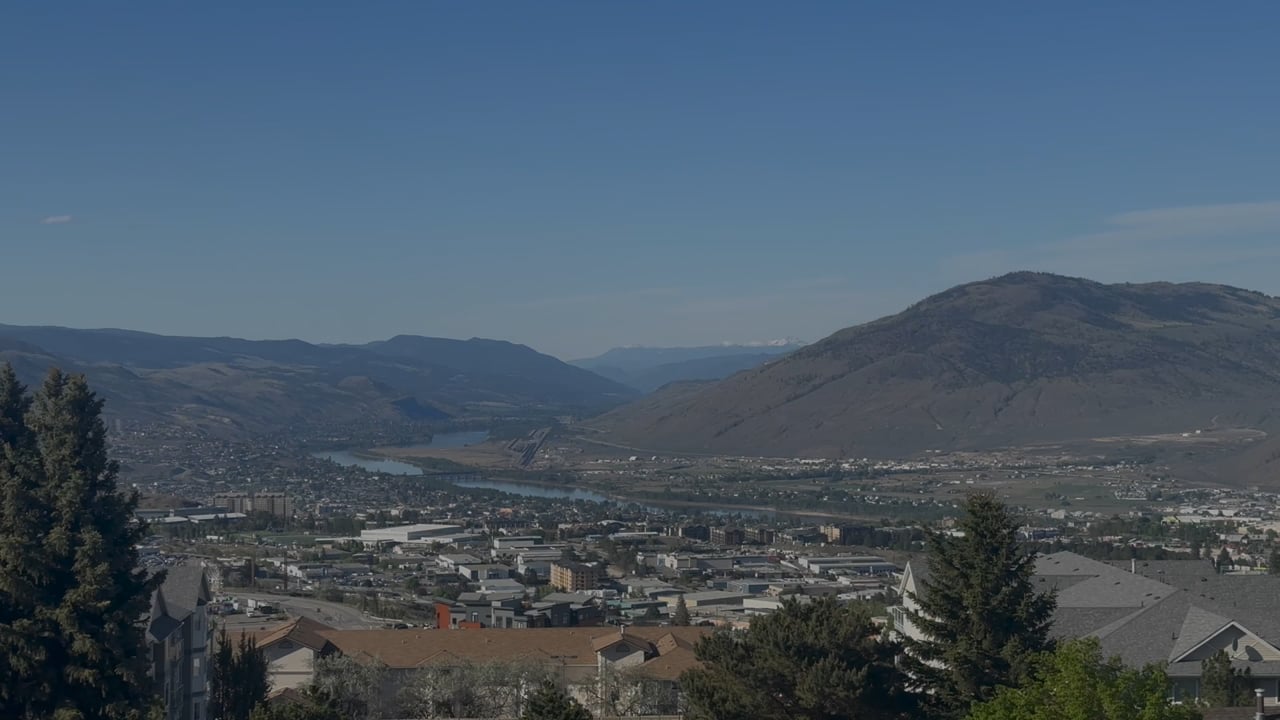
“Sitting around a table, connecting threads, being reminded, and bringing lifetimes of story, culture, and experiences into the room makes me feel connected to an ancient practice. When we began working on Matriate, it was in this circle of sharing the text and what it sparked in the minds of the creatives in the room that made me feel like a dramaturg. A conduit, a stoker of the flame of conversation, a dutiful keeper of time and space. I was nervous about taking on the role as I saw it in my mind’s eye; I was never a very motivated student at the computer or in the library. Most of my training happened on my feet and through witnessing and being witnessed. That is what held my curiosity and taught me discipline. I looked at the role of dramaturg with admiration of their sharp, analytical, and detail-oriented ways as I saw myself as broad, emotional, and mutable in my artistic practice. For whatever reason, I saw these characteristics and opposite and fixed and left it at that. That is, until I began seeing Indigenous theatre. This was the first time I felt the impact of context, history, and the emotion of storytelling come effortlessly to me first from the outside as an audience member and then, eventually, from the inside as a performer and creative contributor. It felt like an embodied understanding of the text that fired the synapses in my brain and had me instantly connecting dots, asking questions, and seeking further study into the world of each story. It was, ultimately, a feeling of recognition, that there was knowledge in my bones that wanted to reach out, witness, and support the sharing of the work.
A decade on from this revelation, I was offered the opportunity to take on the role of dramaturg in support of the ThisGen cohort of emerging producers at Why Not which brings me here and to Matriate by Tara Beagan. The initial impact that I received in reading the piece and then hearing it aloud was the image of the unearthed ancestor, the visceral descriptions of the forest fire burning in the background, the heat, and the looming threat of powerful machines. It is from these images and multi-sensory information that I wanted to build my research. I want to give audiences a deeper sensory understanding of these elements and how present and encroaching they are to a downtown Toronto audience, even though the story itself takes place thousands of kilometers away. My interest extends into the individual practices each Nation has around caring for burial sites and ancestors and how they make their voices heard when interacting with largely non-Indigenous entities who unearth these sites. It draws my attention to how we as Indigenous peoples have our diverse approaches to life that we bring into the work and how we interact with largely non-Indigenous arts organizations. How we share our practices, hold space for each other, give deference to the peoples whose lands we are creating, and how we come together to support each other’s stories so we can continue to share them for future generations.”
— Brefny Caribou, Dramaturg for Matriate

resources
- “Lytton, B.C. sets all-time Canadian heat record for third day in a row” (Jon Azpiri, Global News)
- “A B.C. property owner found 2 skulls while digging a garden. They didn’t expect the fees that followed.” (Courtney Dickson & Shelly Joyce, CBC News)
- “Canada Lytton: Heatwave record village overwhelmingly burned by wildfire” (Matt McGrath, BBC News)
- “Climate Justice and Resilience Toolkit”, Edith Cowan University’s Centre for People, Place, and Planet (People with Lived Experience, Aboriginal Traditional Owners)
- “Archeology Work the Latest Roadblock to Rebuilding Lytton B.C.;Mayor” (The Canadian Press, Times Colonist)
- “The Impacts of Climate Change of Indigenous Communities” (Indigenous Climate Hub)
- “Who is most impacted by climate change?”(Heath Canada, Government of Canada)
- “Who We Are” (Nlaka’pamux Nation Tribal Council)
sources for (images used in video)
- “Government of Canada Releases New Report Showing the Impacts of Climate Change and Necessity of Indigenous-Led Climate Change Adaptation”, (Natural Resources Canada)
- “Indigenous Survival in the Face of Environmental Damage” (Human Rights Research)
- “City plans to move ahead with plans for ancient remains found on Withrow Avenue, despite objections from First Nations group” (Raju Mudhar, Toronto Star)
- “11,000-year-old Indigenous village uncovered near Sturgeon Lake”(Sturgeon Lake First Nation, University of Saskatchewan)
- “The enigma of Lake Ontario’s 11,000-year-old footprints” (Toronto Star)
- “Environmental Racism and Climate Change: Determinants of Health in Mi’kmaw and African Nova Scotian Communities” (Ingrid Walderon,Canadian Climate Institute)
organizations (referenced in video)


books:
- Mother Earth Is Our Elder: A Northern Indigenous Perspective on the Climate Crisis by Katłıà (Catherine Lafferty), 2026
- Braiding Sweetgrass by Robin Wall Kimmerer, 2013
- Every Story is a Call to Action by David A. Robertson, 2026
many waters
by sabrina mahfouz
dramaturg’s note
by keavy lynch
Here are 9 things I want to tell you about the world of Many Waters. Click the arrows to scroll between 9 short videos.


transcripts
The nation of Guyana gets its name from a local Amerindian language. Though its precise origins have been erased by the country’s colonial history. It means “the land of many waters”.
Guyana is a land of rivers, and rainforests. With 85% of its landmass covered by forests, it is one of the world’s largest carbon sinks. Guyanese trees trap more than 150 million tons of carbon each year.
In 1598, Dutch colonial forces arrived in Guyana and set up sugarcane plantations along the banks of the Demerara river. In the 1750s, they reported seeing floating deposits of pitch or tar, suggesting the presence of petroleum.
In 1796, the British seized the Dutch colonies in Guyana. They expanded the sugar plantations, using the forced labour of enslaved Africans, and later indentured Indian workers, to extract the sugar.
In 2015, ExxonMobil drilling teams discovered massive oil reserves off the coast of Guyana. These reserves, among the largest in the world, contain an estimated 11 billion barrels of oil.
A decade after the discovery, Guyana has one of the fastest-growing economies in the world. But, thanks to the government’s contract with ExxonMobil, 75% of revenue goes directly to the oil company.
Today, Guyana produces 900,000 barrels of oil per day. More than a barrel per day for every citizen. As of 2025, more than half of the country lives in poverty.
90% of Guyana’s population live in coastal areas that sit below sea level, which makes them very vulnerable to the effects of climate change. Already, rising waters have led to widespread flooding. Researchers warn that the capital city of Georgetown could be underwater by 2030.
Many Waters is a deeply layered play that draws from these truths. It explores the ways in which colonialism is an extractive tool of the patriarchy, which instrumentalizes the very people and environments it destroys.
a ritual of return
created by ta-nia
turn your ringer on
by mya wong
Not everyone can hear the ancestors calling. Sometimes it’s a lack of belief, sometimes you’re not listening, or sometimes you’re in denial. Sometimes you have weak service. If community spaces, family documentation, and cultural knowledge are a kind of cell tower connecting one caller to another, what happens to that connection when they are lost?
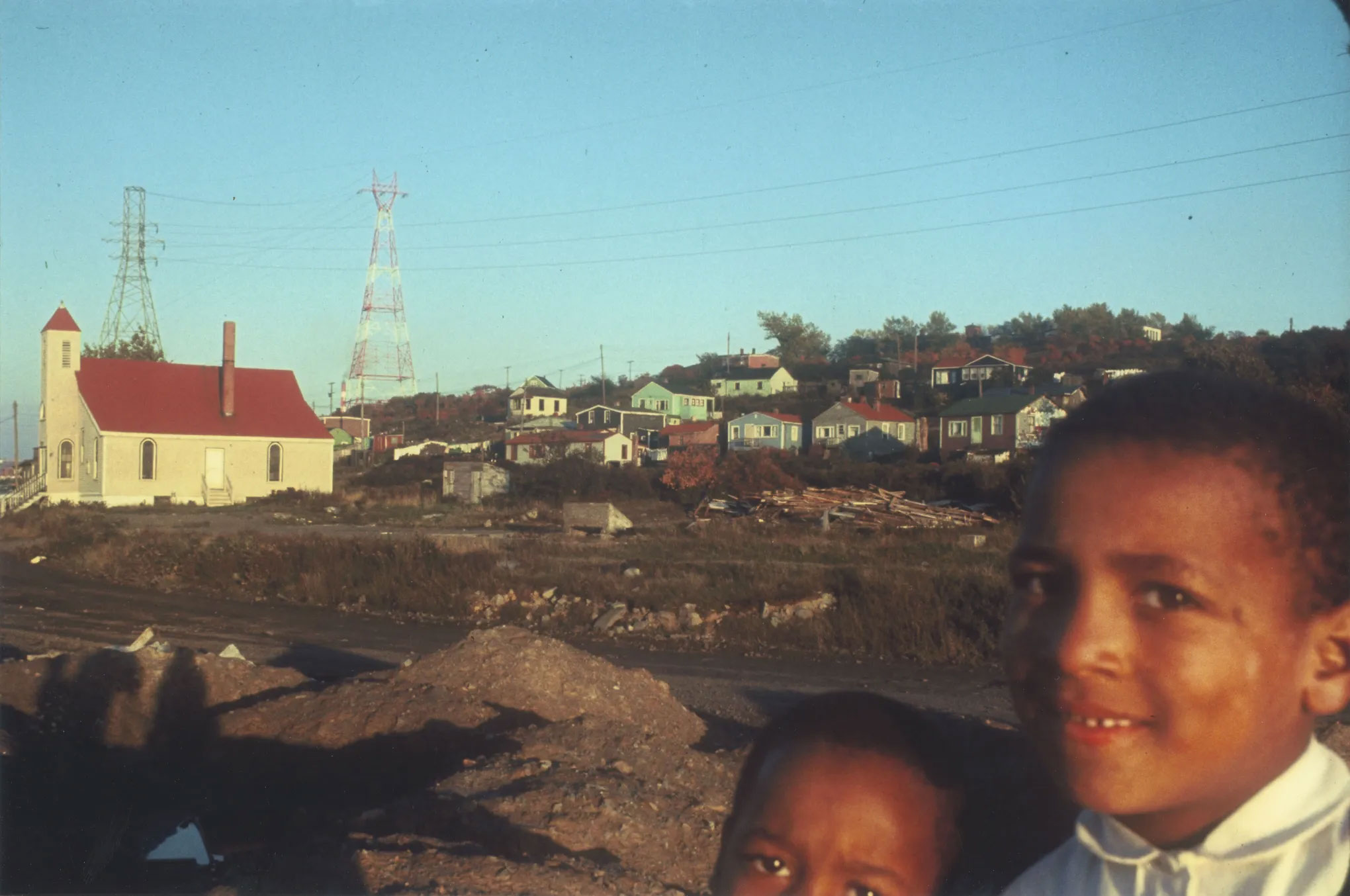
Africville was a Black community that existed in the North of Halifax for about 120 years on the South shore of Bedford Basin. The city of Halifax denied the residents amenities such as sewage, clean water, garbage disposal, street lights, public transportation, and paved roads and instead built developments that were unwanted elsewhere like an infectious disease hospital, a prison, an incinerator, railway tracks, an abattoir, and an open dump. In spite of this, Africville was a close-knit community with stores, a school, a post office, and a church.
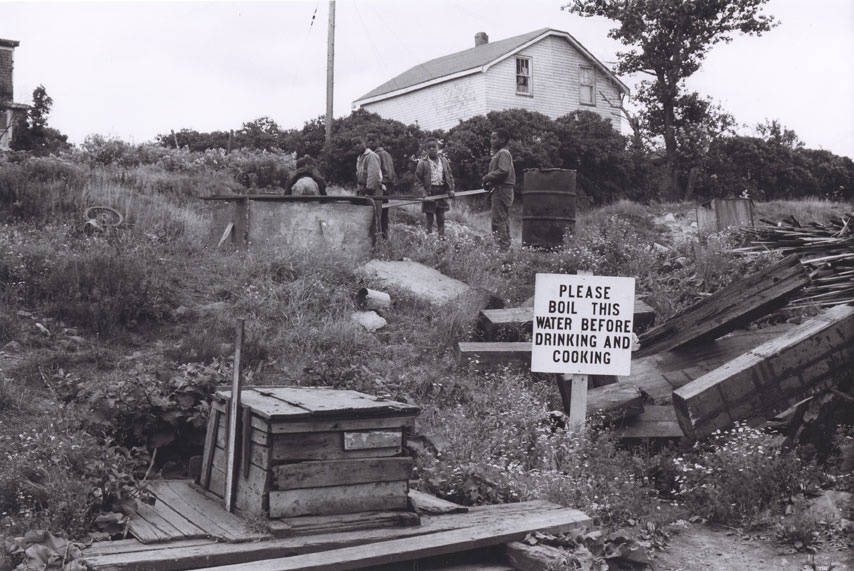
In 1964, the Halifax city council voted to relocate Africville’s residents without effectively consulting them. The residents were told they were being relocated to improve their standard of living, but it soon became clear that the city wanted to use the area to develop industry and improve infrastructure for its white citizens instead. A common phrase being used at the time was, “Urban renewal means negro removal.” Anyone resisting relocation was taken to court and had their land seized by the government. The government also commonly used bribery and intimidation to force residents to relocate. The Seaview United Baptist Church, which was considered to be the heart of Africville, was bulldozed in the middle of the night on November 20, 1967. The church stored the community’s birth, marriage and death documents, which were lost in its destruction. The last remaining home in Africville was destroyed in January 1970.
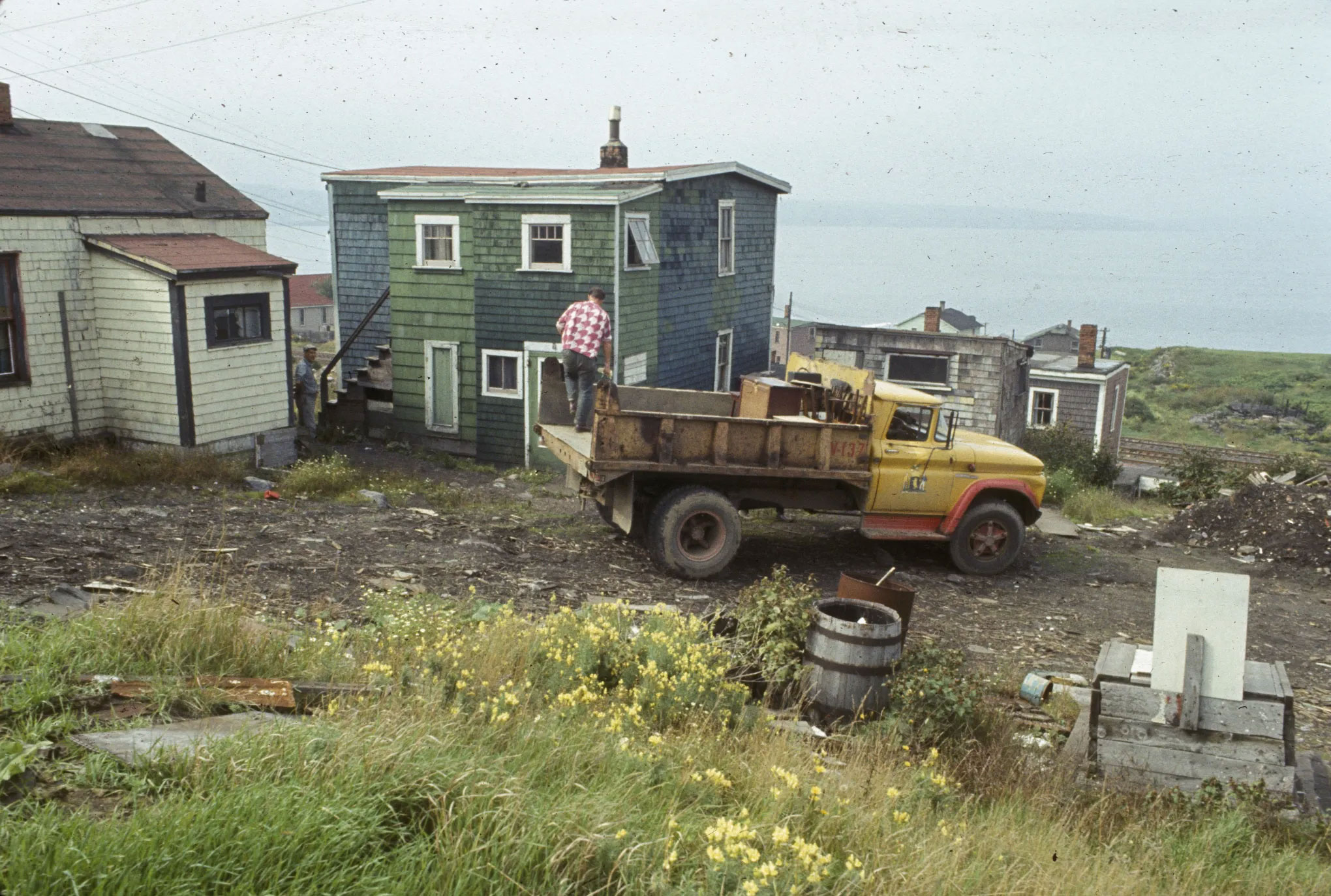
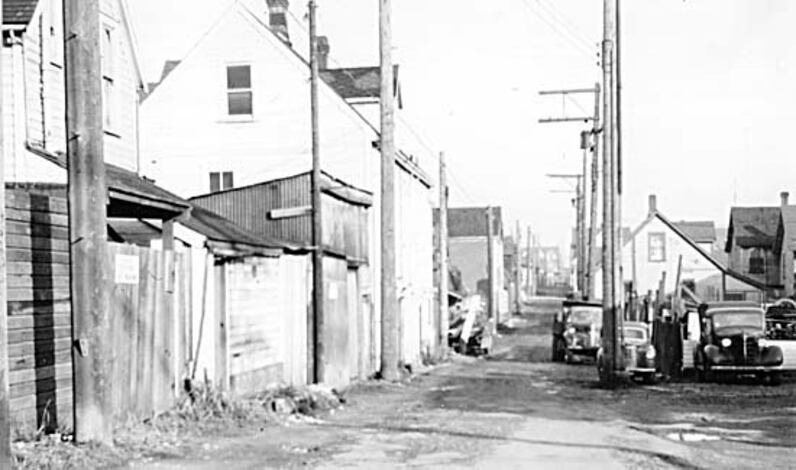
This is not the only time a Black Canadian community has been destroyed in the name of urban development. Hogan’s Alley was a predominantly Black area of Vancouver’s East Side, in the neighbourhood of Strathcona. At its height during the 1930s-40s, the area had businesses, restaurants, and entertainment venues owned and operated by Black community members.
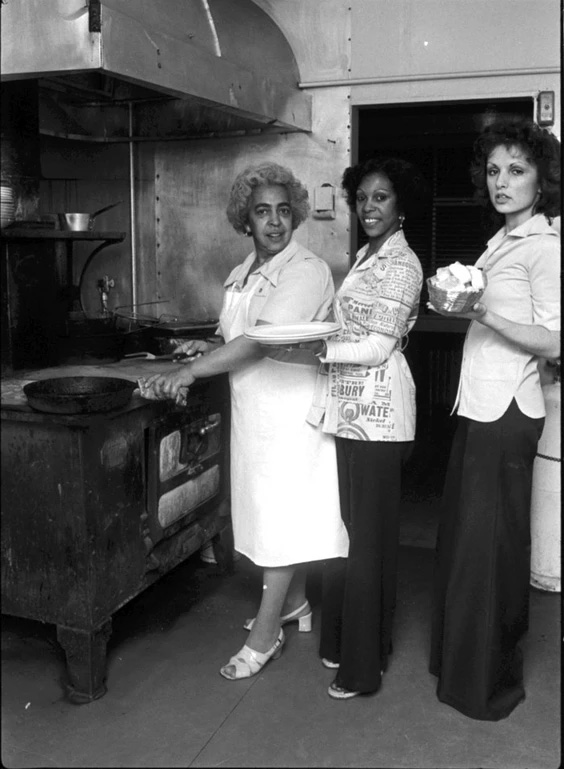
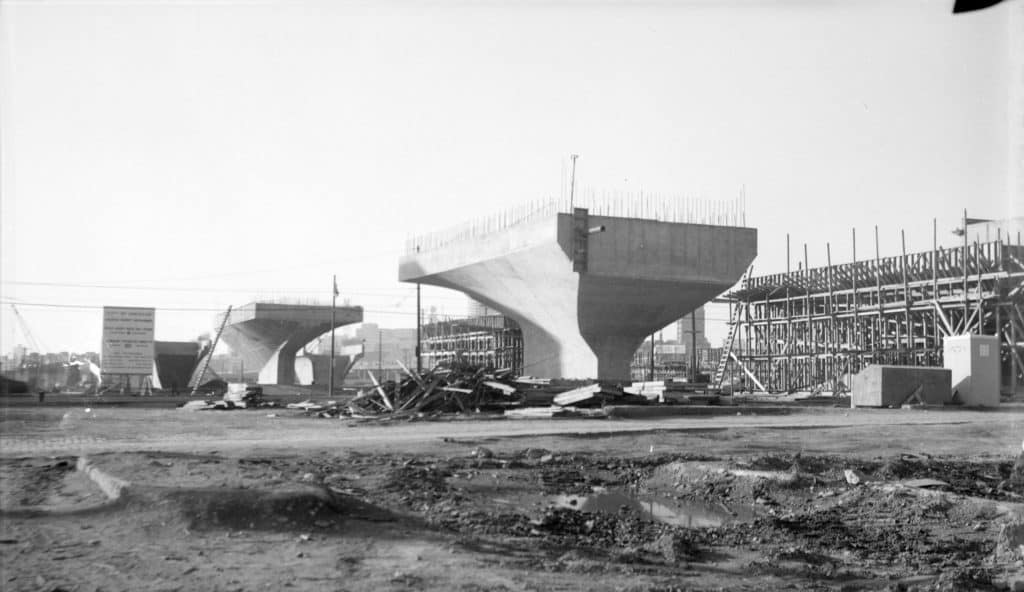
Vie’s Chicken and Steak House was an iconic part of Hogan’s Alley and was visited by celebrities such as Louis Armstrong, Count Basie, Cab Calloway, Sammy Davis Jr., Ella Fitzgerald, Lena Horne, Lou Rawis, Diana Ross and the Supremes, and Jimi Hendrix (whose grandmother was a cook at Vie’s). In 1958, Vancouver City Council approved a redevelopment plan to demolish nearly all of Strathcona, including Hogan’s Alley. By 1967, the western section had been levelled for the construction of a new freeway and Vie’s closed in 1979.
I haven’t been to either of these places, but recently visited Central Park in New York City for the first time. York Hill was a Black community which was demolished to build a reservoir where the Great Lawn in Central Park is now. The residents relocated to Seneca Village, which was also destroyed in the continued development of Central Park. There are no surviving photos or drawings of Seneca Village and no traces above ground in present-day Central Park. Over one hundred Black communities in the US have been demolished and flooded, the physical pieces of their history disintegrating underwater.
Tuning in to ancestor frequencies has not been made easy. This disrupted connection to Black history and communities is intentional. It limits how we understand our collective history and how we imagine moving forward. (Yes, for any fellow non-Black people, I did say ‘we’, this has an impact on us too.) In spite of how many cell towers have been lost to water or lawns or freeways, we invite you to turn your ringer on. You may get anything from the slightest hint of static to startlingly clear face-to-face time in a dream tonight. Either way, if a call comes through, this is the right time to pick up.
answering the call
continuing the connection beyond the theatre.
Get Gardening!
At the start of the show, you will have received an envelope that holds a mix of wildflower and grass seeds native to Ontario. Whether it’s nurturing a box of flowers on your balcony, adding some colour to your lawn, or guerrilla gardening in your local park, we invite you to share a little connection with nature. Find a patch of soil and garden!
Imagination: A Manifesto by Ruha Benjamin
Ruha Benjamin’s work investigates who sets the limits of our imagination and how that shapes our ability to imagine our futures. “[The book] is an invitation to rid our mental and social structures from the tyranny of dominant imaginaries, and a field guide for seeding an imagination grounded in solidarity…”
The Mundane Afrofuturist Manifesto by Martine Syms
Martine Syms calls on us to turn our attention away from a future in the stars and toward the future most likely for the majority of us: life on Earth. “The imaginative challenge that awaits any Mundane Afrofuturist author who accepts that this is it: Earth is all we have. What will we do with it?”
the fam (IRL)
future ancestors working in climate research and policy.
Dr. Ingrid Waldron
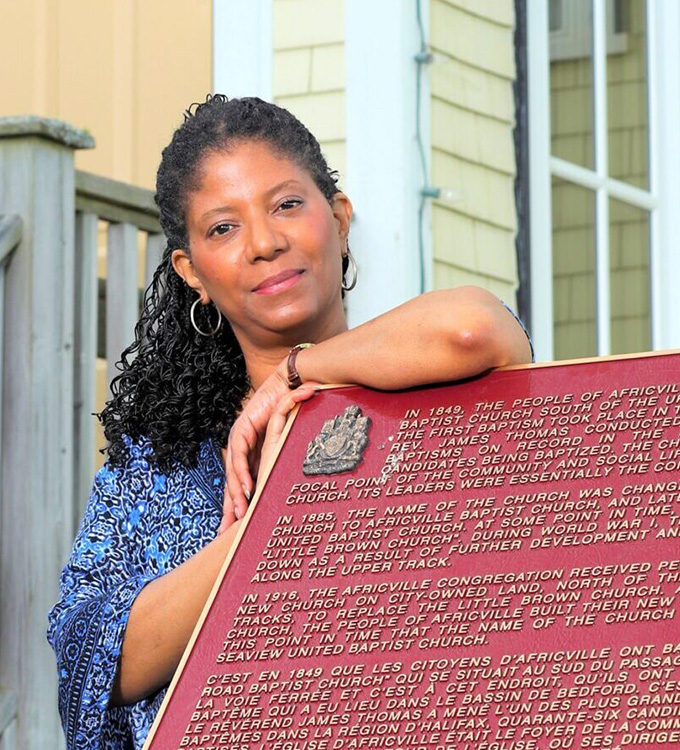
Dr. Ingrid Waldron is the Executive Director of the ENRICH Project where she has been investigating environmental racism and the impacts of climate change on Black and Indigenous communities. Her book, There’s Something in the Water: Environmental Racism in Indigenous and Black Communities, examines the history of environmental racism in Nova Scotia and its impacts on Indigenous and Black Nova Scotian communities. Waldron has also worked with Lenore Zann to develop Bill C-226 which was passed in June 2024. Bill C-226 requires the Minister of Environment to develop a national strategy to advance environmental justice and to assess, prevent and address environmental racism.
Dr. Chúk Odenigbo
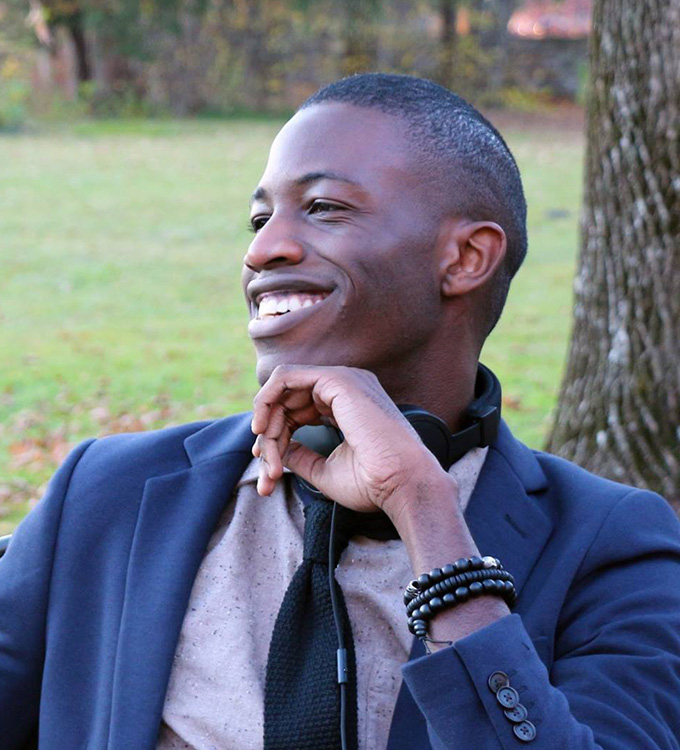
Dr. Chúk Odenigbo is a climate researcher whose work investigates the connections between the environment, culture and public health. His research focuses on environmental racism and the idea that an unjust society cannot successfully address the climate crisis. In addition to his studies in environmental science, chemistry and toxicology, Odenigbo also spent three years as an environmental scientist in Alberta’s oil and gas industry.
Larissa Crawford
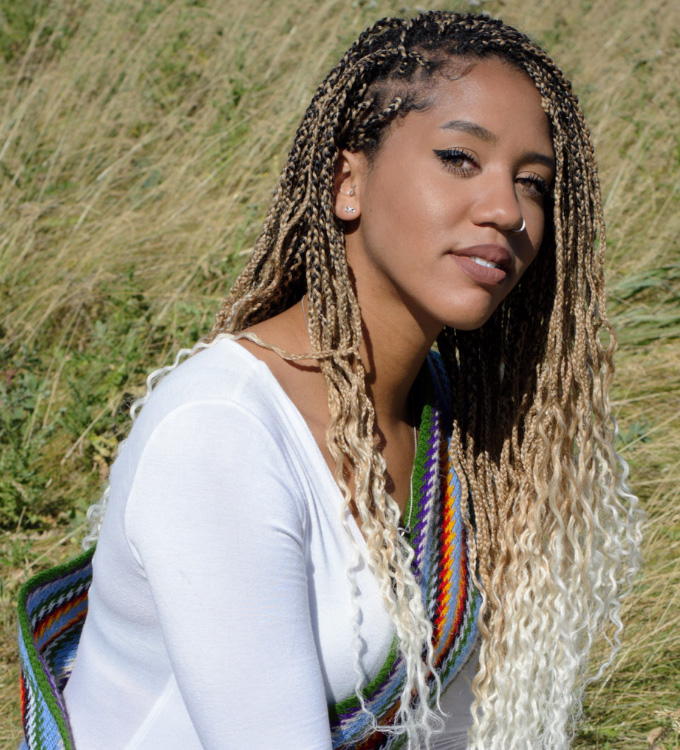
Larissa Crawford is a climate researcher, policy advisor and restorative circle keeper. She is also the founder of Future Ancestors Services which works to advance climate justice through the lenses of anti-racism and ancestral accountability. Crawford has worked with the Government of Ontario in various capacities, including as an Indigenous Policy Advisor with the Ministry of Energy, Northern Development, and Mines. She also has experience as a community mediator and restorative circle keeper with several organizations.
Janna Wale
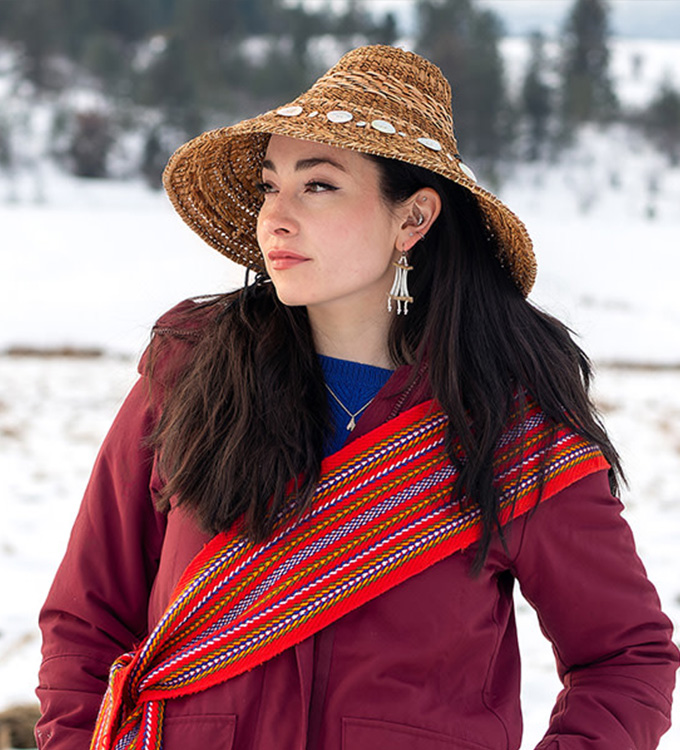
Janna Wale is a climate research leader, policy advisor and speaker advancing Indigenous-led approaches to climate action, while bridging western climate science and Indigenous knowledge. She is currently the Indigenous Research and Partnerships Lead with the Pacific Institute for Climate Solutions at the University of Victoria. Wale works with communities on climate adaptation planning, facilitates knowledge exchanges between Indigenous and Western science, and implements protocols that ensure Indigenous governance and laws are respected in climate policy and research.